Common Causes of Damage in Commercial Stamped Concrete Surfaces
People searching for commercial stamped concrete repair are typically looking to restore or maintain their surfaces damaged by common causes like cracking, spalling, or staining, and local contractors can provide expert repair services to address these issues effectively.
Understanding the common causes of damage in commercial stamped concrete surfaces is essential for property owners seeking to maintain their investment. These surfaces, valued for their aesthetic appeal and durability, can still be vulnerable to issues such as cracking, surface spalling, or uneven wear over time. Factors like improper installation, exposure to harsh weather conditions, and heavy equipment traffic often contribute to these problems. Recognizing these risks allows property owners to take proactive steps and seek the expertise of local contractors who specialize in stamped concrete repair, ensuring their surfaces remain both attractive and functional.
For property owners in the area, exploring the reasons behind potential damage can help prevent costly repairs and extend the lifespan of stamped concrete surfaces. Local service providers are equipped to address common issues caused by environmental stressors, poor initial installation, or regular use. By understanding these causes, property owners can better evaluate when professional repair services are needed to restore the integrity and appearance of their stamped concrete surfaces. Continuing to read can provide valuable insights into how local contractors can help maintain the quality of these surfaces through targeted repairs and ongoing maintenance.
- Commercial stamped concrete repair might be needed when surface cracking occurs due to ground shifting or poor installation, and local contractors can assess and restore the integrity of the surface.
- Crack and joint repair is essential when frequent freeze-thaw cycles cause concrete expansion and contraction, with service providers specializing in seamless fixes.
- Surface delamination repair becomes necessary if moisture infiltration leads to peeling or flaking, and experienced pros can remove damaged sections and apply new overlays.
- Color fading and staining repair are common when exposure to chemicals or UV rays dull the appearance, with local experts restoring vibrancy through specialized treatments.
- Surface spalling repair is often required when heavy loads or impact damage cause concrete to break apart, and local contractors can reinforce and patch affected areas effectively.
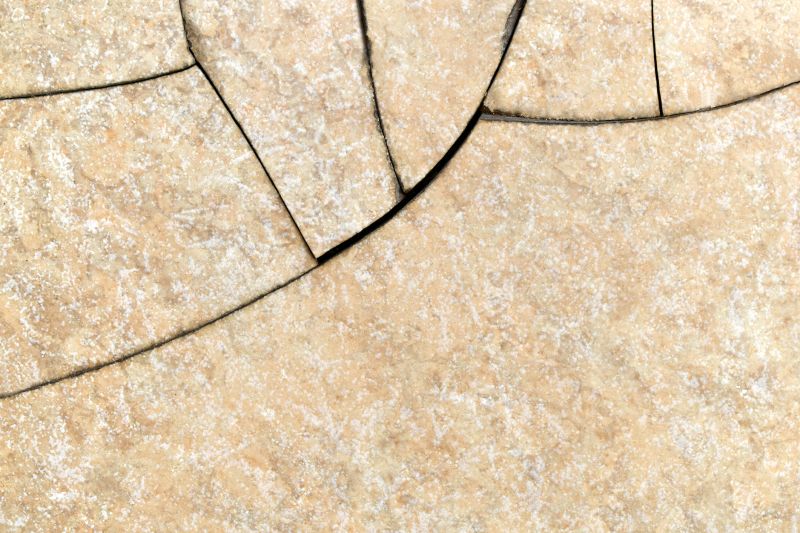
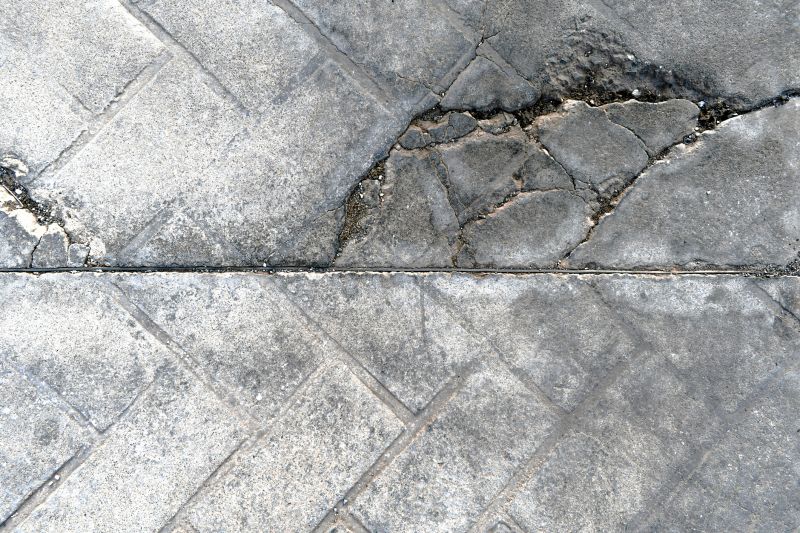
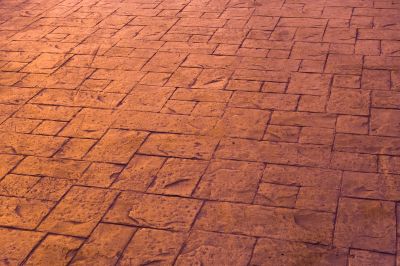
Understanding the common causes of damage in commercial stamped concrete surfaces is essential for property owners and managers who want to maintain the integrity and appearance of their outdoor spaces. These surfaces are often used in parking lots, walkways, patios, and decorative areas around commercial buildings. When searching for this topic, people typically want to identify why their stamped concrete might be cracking, spalling, or showing signs of wear. Recognizing these causes helps in planning repairs and preventing further deterioration, ensuring the surface remains functional and visually appealing over time.
The problems associated with damage in stamped concrete often relate to issues like improper installation, exposure to harsh weather conditions, and heavy traffic. For example, inadequate curing during installation can lead to surface cracking, while freeze-thaw cycles in colder climates can cause the concrete to expand and contract, leading to spalling or surface flaking. Heavy vehicles or constant foot traffic can also accelerate wear and tear, especially if the concrete was not designed with sufficient strength or reinforcement. Understanding these common causes helps property owners and facility managers assess whether damage is due to installation flaws, environmental factors, or ongoing use, and guides them toward appropriate repair strategies.
Certain types of properties tend to experience more issues with stamped concrete damage due to their usage and exposure. Commercial parking lots, for example, often face frequent heavy vehicle traffic that can cause surface cracking or displacement if the concrete isn’t properly reinforced. Retail centers and industrial facilities may also have outdoor walkways or patios that are exposed to constant foot traffic and environmental stressors. Additionally, properties located in regions with extreme weather conditions, such as freezing winters or intense sunlight, are more prone to surface deterioration like surface scaling, discoloration, or cracking. Recognizing these property types and their specific challenges helps in selecting the right local contractors who specialize in repairing and maintaining stamped concrete surfaces.
When damage occurs in commercial stamped concrete surfaces, it often requires professional assessment and repair. Local service providers experienced in stamped concrete repair can diagnose the root causes of deterioration and recommend suitable solutions. Whether it’s patching cracks, removing and replacing damaged sections, or applying protective sealants, these pros understand how to restore the surface’s appearance and durability. Connecting with qualified contractors ensures that repairs address the specific causes of damage, preventing future issues and extending the lifespan of the stamped concrete. Properly repairing damage caused by common issues like improper installation, environmental stress, or heavy use helps maintain the safety, functionality, and aesthetic appeal of commercial outdoor spaces.
Commercial paving projects involve similar skills and tools as stamped concrete repair, requiring knowledge of surface preparation and material application to prevent damage.
Concrete resurfacing jobs demand planning for surface integrity and proper finishing techniques, aligning with the expertise needed for stamped concrete surfaces.
Industrial flooring installations utilize similar surface preparation and sealing methods that help mitigate common causes of damage in stamped concrete.
Driveway and sidewalk repair projects involve crack filling and surface leveling skills that are applicable to maintaining stamped concrete durability.
Outdoor patio construction requires planning for weather resistance and surface protection, which are key factors in preventing damage to stamped concrete surfaces.
Landscape hardscape projects involve precise planning and material selection, paralleling the techniques used to address common issues in stamped concrete surfaces.
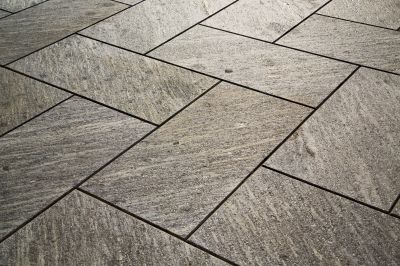
When evaluating commercial stamped concrete repair services, it is essential to consider the experience of local contractors with similar projects. Contractors who have handled issues related to common causes of damage in commercial stamped concrete surfaces are more likely to understand the specific challenges involved. This familiarity can contribute to more effective repairs and help ensure that the work addresses underlying problems such as cracking, spalling, or surface deterioration caused by improper installation or exposure to harsh conditions. Asking for examples of past work or references related to commercial stamped concrete can provide insight into a contractor’s practical knowledge and ability to manage comparable projects successfully.
Clear, written expectations are a vital aspect of choosing the right service provider. A reputable contractor should be able to provide detailed descriptions of the scope of work, the materials to be used, and the methods for addressing common causes of damage in commercial stamped concrete surfaces. Having this information in writing helps prevent misunderstandings and ensures that both parties are aligned on the repair process. It also allows property owners to evaluate whether the proposed solutions are appropriate for the specific issues faced, such as damage caused by freeze-thaw cycles, heavy traffic, or improper sealing.
Good communication and reputable references are key indicators of a dependable local contractor. Service providers who are transparent about their processes and willing to share references can give confidence in their ability to deliver quality repairs. Reputable references, especially from commercial property owners who have faced similar issues, can offer valuable insights into the contractor’s professionalism, reliability, and effectiveness in resolving common causes of damage in stamped concrete surfaces. Ensuring open lines of communication throughout the project helps address questions or concerns promptly, contributing to a smoother repair experience and a more durable result.
Property owners often search for common causes of damage in commercial stamped concrete surfaces when they are planning practical projects around their homes and businesses. Local pros provide Commercial Stamped Concrete Repair services for everyday jobs and straightforward project options.
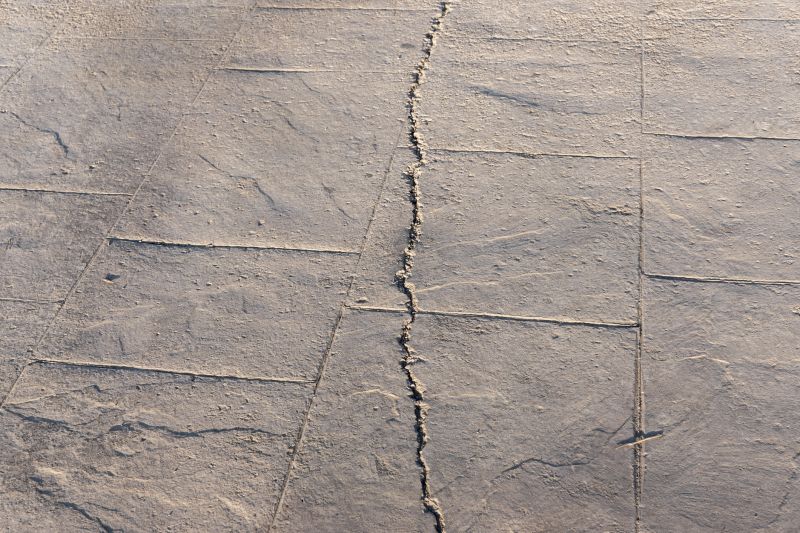
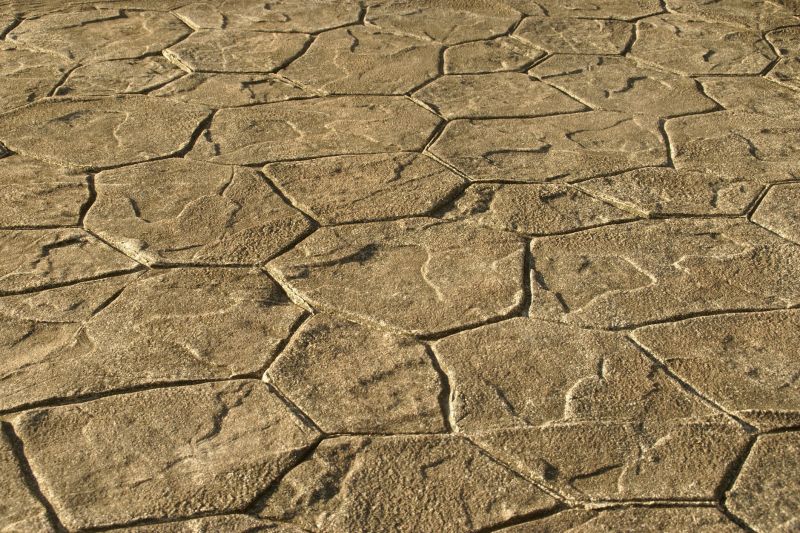
Commercial stamped concrete surfaces in the area often face damage caused by everyday activities and environmental factors. Heavy foot and vehicle traffic can lead to surface wear, chipping, or cracking over time, especially if the concrete was not properly reinforced or maintained. Additionally, exposure to harsh weather conditions, such as freeze-thaw cycles or heavy rain, can cause surface deterioration, leading to uneven surfaces or surface spalling. Property owners noticing these issues may seek out local contractors skilled in stamped concrete repair to restore the appearance and integrity of their surfaces.
Other common causes of damage include improper installation techniques or inadequate sealing, which can leave the concrete vulnerable to staining, surface erosion, or surface delamination. Spills from oils, chemicals, or other substances can also stain or weaken the surface if not cleaned promptly. Regular use of the area combined with these factors can accelerate deterioration, making timely repairs essential. Local service providers experienced in stamped concrete repair can assess the damage and recommend appropriate solutions to help maintain the durability and visual appeal of commercial stamped concrete surfaces.
What are common causes of damage in commercial stamped concrete surfaces? Common causes include exposure to harsh weather conditions, such as freeze-thaw cycles, heavy loads, and improper installation or curing methods that weaken the surface over time.
How does weather contribute to damage in stamped concrete? Extreme temperatures, moisture, and freeze-thaw cycles can lead to cracking, spalling, or surface deterioration if the concrete is not properly sealed or maintained by local contractors.
Can heavy traffic damage stamped concrete surfaces? Yes, frequent or heavy vehicle and foot traffic can cause surface wear, cracking, or deformation, especially if the concrete was not designed to withstand such loads.
What role does improper installation play in concrete damage? Incorrect mixing, curing, or finishing techniques during installation can lead to weak spots, cracking, and surface defects that make stamped concrete more susceptible to damage.
How can local service providers help prevent or repair damage in stamped concrete? They can assess the cause of damage, perform necessary repairs, and apply protective treatments to extend the lifespan of commercial stamped concrete surfaces.
Heavy loads and traffic - Regular exposure to heavy equipment or constant foot traffic can cause surface cracks and wear, making repairs necessary to restore durability with help from local contractors.
Exposure to weather conditions - Freeze-thaw cycles, rain, and sun can weaken stamped concrete over time, and local pros can recommend repairs to prevent further damage.
Poor installation practices - Improper surface preparation or finishing can lead to early damage, and experienced service providers can address these issues through professional repairs.
Chemical spills and stains - Exposure to harsh chemicals or de-icing salts can erode the surface, with local contractors offering repair solutions to restore the concrete’s appearance and strength.
If you are thinking about common causes of damage in commercial stamped concrete surfaces for a property, this guide is meant to help you understand this topic, the typical project types, and how different options might fit your plans.
When you are ready, you can use the quote form on this page to share a few details about your project. From there, local pros can review the basics and follow up with options that match what you have in mind.